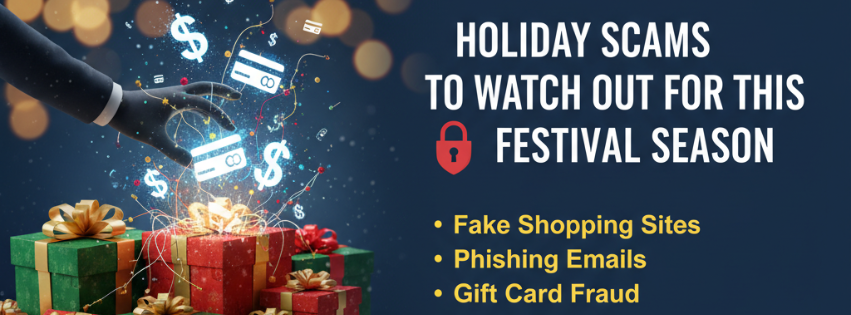
The festival season brings joy, family gatherings, and gift-giving—but it also brings scammers out in full force. While you're busy shopping for presents and planning celebrations, criminals are working overtime to steal your money and personal information.
This year alone, people have already lost over $300 million to holiday scams, and that's just what's been reported. The actual number is likely much higher, since many victims never come forward out of embarrassment or because they don't realize they have been scammed until it's too late.
The good news? Most holiday scams follow predictable patterns. Once you know what to look for, you can protect yourself and your loved ones without letting fear ruin your festive spirit.
The 12 Most Common Holiday Scams Right Now
1. Too-Good-To-Be-True Social Media Ads
Scrolling through Instagram or Facebook, you spot an amazing deal—designer handbags for 70% off, the latest electronics at half price, or luxury watches that seem impossibly cheap. The page looks legitimate, with professional photos and hundreds of followers.
But here's what's really happening: scammers create fake business pages that disappear right after they collect your money. According to the Better Business Bureau's 2022 report, online purchase scams are now the most frequently reported fraud, affecting more victims than any other scam category.
How to protect yourself: Before buying from any social media ad, search the company name with words like "scam" or "reviews." Check how long the page has existed. Look for a real physical address and working phone number. If the deal seems unbelievable, there's usually a reason—it probably is.
2. Suspicious Holiday Apps
Apps promising to let your kids video chat with Santa, track his sleigh on Christmas Eve, or send wish lists directly to the North Pole sound magical. Unfortunately, some of these apps are designed to harvest your personal information or infect your device with malware.
Free apps pose the biggest risk because they often contain excessive advertising or hidden data collection. That innocent-looking Santa tracker might be recording your location, accessing your contacts, or gathering information about your family.
The problem extends beyond entertainment apps. During holiday travel season, scammers create fake flight tracking and travel apps that promise real-time updates but actually steal your booking details, payment information, and travel plans. If you're flying to meet loved ones during the holidays, be especially careful about which travel apps you trust.
How to protect yourself: Download holiday app only from official app stores. Read the privacy policy to see what data gets collected. Stick with paid apps from reputable developers when possible, as they typically contain less advertising and better security. Check reviews carefully—if other parents report problems, take it seriously.
For travel needs, use trusted apps from established companies. If you need real-time flight tracking, delay notifications, or cancellation status updates, choose legitimate services like Flyfi that specialize in flight information rather than downloading questionable apps that claim to do everything. Verified travel apps protect your sensitive booking information while keeping you updated on your journey.
3. Fake Account Security Alerts
You receive an urgent email or text: "Suspicious activity detected on your Amazon account. Click here immediately to verify your identity." Your heart races as you worry about unauthorized charges.
Stop. Take a breath. This is exactly the reaction scammers want.
These phishing messages look incredibly convincing, complete with official logos and urgent language designed to make you panic and click without thinking. Once you click that link and enter your login credentials, scammers have full access to your actual account.
How to protect yourself: Never click links in unsolicited security alerts. Instead, open your browser and go directly to the company's website. Log in normally and check for any legitimate security notifications. Real companies will never ask you to verify sensitive information through email or text links.
4. "Free" Gift Card Offers
Everyone loves free stuff, which is exactly why scammers use free gift card offers to trick thousands of people during the holidays. These scams arrive via email, text, or pop-up ads claiming you've won a $500 Amazon gift card, a free Starbucks reward, or some other prize.
To claim your "prize," you just need to provide some basic information—email, phone number, maybe your address. Some versions ask for credit card details "just to verify your identity" with a $1 charge. Before you know it, you've given scammers everything they need for identity theft, and that free gift card never materializes.
How to protect yourself: Remember that legitimate companies don't randomly select winners without you entering a contest. Delete these messages without clicking anything. If you think an offer might be real, go directly to the company's official website to check—never use links from the suspicious message.
5. Fake Seasonal Job Listings
With retailers desperate for holiday help and shipping companies overwhelmed by online orders, seasonal jobs are everywhere. This creates perfect cover for employment scams that steal personal information and money from job seekers.
Warning signs include jobs that seem too easy for the pay offered, employers who want to "hire" you without an interview, positions that require you to pay upfront for training or equipment, and companies that use free email addresses instead of official company domains.
How to protect yourself: Research any company thoroughly before applying. Never pay money to get a job. Be suspicious of positions that require only email communication with no phone or video interviews. Verify job listings by visiting the company's official website directly rather than trusting third-party job boards alone.
6. Lookalike Shopping Websites
That holiday sale email looks perfect—your favorite store is having a massive clearance. You click the link and start shopping, entering your payment information on what appears to be the legitimate website. Except it's not. Scammers create fake websites that perfectly mimic real stores, right down to the logo and layout.
These fraudulent sites either steal your payment information without sending anything, ship counterfeit knock-offs, or install malware on your device when you click around the site.
How to protect yourself: Before clicking email links, hover over them with your mouse to see the actual URL. Look for subtle misspellings in the web address (like "amazom.com" instead of "amazon.com"). Check for "https://" and the padlock icon in your browser's address bar. When in doubt, type the store's address directly into your browser instead of clicking email links.
7. Fake Charity Appeals
Charitable giving peaks during the holiday season, with 40% of annual donations happening in December. Scammers exploit this generosity by creating fake charities or impersonating real ones.
These fraudsters set up professional-looking websites, use names similar to legitimate organizations, make emotional appeals with fake stories, and pressure you to donate immediately before you have time to verify their legitimacy.
How to protect yourself: Never make impulse donations to unfamiliar organizations. Legitimate charities will gladly accept your donation tomorrow—they won't pressure you for immediate payment. Verify any charity through BBB's Give.org or the Canada Revenue Agency before donating. When possible, donate directly through the organization's official website using a credit card, which offers better fraud protection than wire transfers or gift cards.
8. Phishing Delivery Notifications
With online shopping at an all-time high, we're all expecting multiple package deliveries. Scammers send fake shipping notifications via email or text, claiming there's a problem with your delivery or asking you to confirm shipping details.
These messages include links that either download malware onto your device or lead to fake websites designed to steal your login credentials and payment information.
How to protect yourself: Track packages directly through the retailer or shipping company's official app or website—never through links in unexpected messages. Real delivery companies won't ask you to provide personal information or payment details through email or text. If you're unsure about a delivery notification, contact the company directly using a phone number from their official website.
9. Luxury Items at Bargain Prices
That designer handbag for $100, those genuine AirPods for $50, or that high-end watch at 90% off—tempting, right? These deals flood social media marketplaces and sketchy websites during the holidays.
The reality: you are either buying cheap counterfeits, receiving nothing at all, or getting low-quality knockoffs that break immediately. Some sellers even use photos of genuine items but ship worthless fakes.
How to protect yourself: If a luxury item is dramatically discounted, question why. Legitimate retailers rarely offer designer goods at massive discounts. Buy high-value items only from authorized dealers. Use payment methods that offer buyer protection. Remember: if it seems too good to be true, it almost always is.
10. Puppy and Pet Scams:
Many families dream of surprising loved ones with a new puppy or kitten during the holidays. Scammers exploit this emotional decision by advertising adorable pets online at reasonable prices.
After you pay the deposit or full price, the problems start: the seller claims the pet needs special travel insurance (more money), requires an expensive travel crate (more money), or needs veterinary certificates (more money). Eventually, you realize no pet exists—you've been sending money to scammers who had nothing but stolen photos.
How to protect yourself: Always see the pet in person before paying anything. Never wire money or pay with gift cards. Research the seller thoroughly. Legitimate breeders will have references, veterinary records, and won't pressure you for immediate payment. Consider adopting from local shelters instead, where you can meet animals in person.
11. Emergency and Grandparent Scams
Your phone rings with a frantic call: "Grandma, it's me! I've been in a terrible accident and I'm in jail. Please don't tell Mom and Dad—I need you to send bail money right away."
The voice sounds upset and somewhat familiar. The caller claims to have a broken nose or injury explaining why they sound different. They beg you not to hang up and call your actual grandchild to verify the story.
These scams prey on our natural instinct to help family members in trouble, especially during the holidays when we expect to hear from distant relatives.
How to protect yourself: Always verify the story before sending money. Hang up and call your family member directly using a number you already have—not one provided by the caller. Ask questions only the real person would know. Law enforcement never demands bail money paid through wire transfer, cryptocurrency, or gift cards.
12. Holiday Romance Scams
Loneliness peaks during the holiday season, making people more vulnerable to romance scams. These criminals create fake profiles on dating sites and social media, build relationships over weeks or months, then ask for financial help.
Common stories include needing money for a plane ticket to visit you, emergency medical expenses, business opportunities that just need a small investment, or helping a sick family member. The requests start small and escalate once they know you'll send money.
How to protect yourself: Never send money to someone you've only met online. Be skeptical of people who profess strong feelings quickly. Refuse any requests for financial help, loans, or investments. If someone's story doesn't add up or they avoid video calls, trust your instincts.
Essential Protection Strategies for the Holiday Season
Beyond recognizing specific scams, these protective measures strengthen your overall security:
Use Two-Factor Authentication (2FA)
Cybersecurity expert Paul Hankin emphasizes that passwords alone no longer provide adequate protection. Two-factor authentication adds a critical second security layer, requiring both your password and a code sent to your phone or email.
Google reports that 2FA blocks 100% of automated attacks, 96% of bulk phishing attempts, and 76% of targeted attacks. That's powerful protection for a simple setup process.
Action step: Enable 2FA on all accounts that offer it, especially email, banking, shopping, and social media accounts. Use authentication apps like Google Authenticator or Authy rather than SMS codes when possible, as they offer better security.
Create Stronger Passwords
Weak passwords remain one of the easiest ways for criminals to access your accounts. Hankin recommends the "4+1 rule"—combine four random, unrelated words with a number to create strong but memorable passwords.
Good example: "BlueCoffeeRainbow7Telescope"
Bad example: "Password123" or "YourName2023"
Avoid using personal information like children's names, birthdays, or pet names. As Hankin puts it: "A long password is strong. A complex password is crazy."
Action step: Use a password manager to create and store unique passwords for each account. Change passwords immediately if you suspect any account has been compromised. Never reuse passwords across multiple sites.
Shop Smart Online
- Stick to familiar, reputable retailers when possible
- Look for secure payment options (credit cards offer better fraud protection than debit cards or wire transfers)
- Save confirmation emails and track all purchases
- Check credit card and bank statements regularly for unauthorized charges
- Use virtual credit card numbers for online shopping when your bank offers this feature
- If traveling during the holidays, use legitimate flight tracking apps like Flyfi for real-time updates on delays and cancellations—avoid downloading random travel apps that might compromise your booking information
Verify Before You Trust
When something seems urgent, pause. Scammers create artificial urgency to make you act without thinking. Take time to:
- Research companies before making purchases
- Verify charities before donating
- Confirm job offers through official company channels
- Double-check shipping notifications
- Validate security alerts by contacting companies directly
What to Do If You've Been Scammed
Falling for a scam is not shameful—these criminals are professionals who manipulate human psychology. If you realize you have been scammed:
Contact your bank immediately. They can stop pending transactions, reverse fraudulent charges, and block further unauthorized access to your accounts. Many banks offer fraud protection that may recover your money.
Reach out to the retailer or company involved. Legitimate businesses often work with scam victims to resolve problems, track packages, or provide refunds.
Report the scam to authorities. Contact Scamwatch, local police, or relevant regulatory agencies. In cases involving financial fraud, report to the Australian Securities and Investments Commission (ASIC) or your country's equivalent. Reporting prevents these scams from victimizing others and helps authorities track criminal patterns.
Document everything. Save emails, take screenshots, record phone numbers and names used by scammers. This documentation helps investigations and may be necessary for insurance claims or fraud disputes.
Monitor your credit and accounts. After a scam, watch for signs of identity theft. Consider placing fraud alerts on your credit reports. Check bank statements carefully for months afterward.
Enjoy the Holidays Without Fear
Understanding holiday scams doesn't mean approaching the season with paranoia. It means shopping, donating, and celebrating with smart awareness that protects you and your family.
The criminals running these scams rely on our holiday spirit—our generosity, our desire for good deals, our love for family, and our wish to make the season special. By staying informed and taking basic precautions, you can enjoy all the magic of the holidays without falling victim to those who would exploit it.
Share this information with friends and family, especially those who might be more vulnerable to scams. The more people who know what to watch for, the harder we make it for scammers to succeed.
Stay safe, shop smart, and have a wonderful holiday season.