Flight Delays Explained: Causes, Industry Solutions, and FlyFi Early Prediction System
Learn the main causes of flight delay, from weather to ATC issues, explore how the aviation industry is tackling them, and discover how the FlyFi Early Prediction System gives you a vital head start.
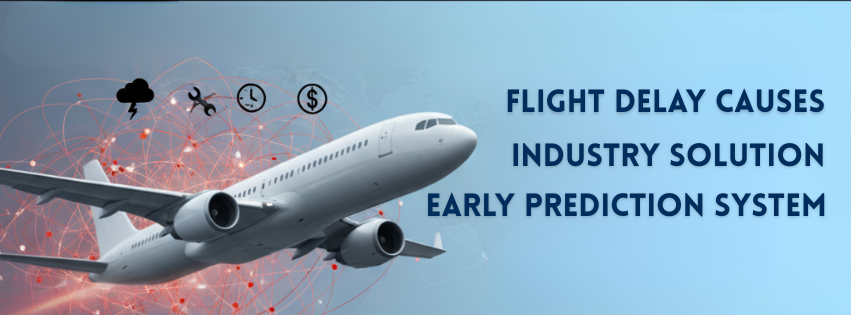
Flight delays are among the most common frustrations for air travellers, often leading to missed connections, financial losses, and delays in schedules. While some flight delays last only a few minutes, others extend for hours which causing bad effects across the global aviation network.
The delays are also draining airline operations, increasing fuel costs and labor expenses, and creating logistical challenges. Beyond finances, the impact on customer trust and loyalty makes delay management a critical focus point for the aviation industry.
In this article, explore the causes of flight delays, the industry's ongoing solutions, and how emerging technology can help passengers.
What are the Common Causes of Flight Delays?
Flight delays can happen when scheduled departures or arrivals are postponed, often due to a many of operational, environmental, and technical factors which are as follows:
1. Adverse Weather Conditions
The most common flight delay reason is bad weather conditions from heavy rain to snowstorms, through fog and strong wind, which almost creates chaos at airports and could affect many flights down the schedule.
2. Security and Customs Checks
At airports with high passenger traffic, long waits for passport, security, and customs checks are common and may cause flight delays.
3. Strikes
Staff strikes, which can shut down entire air terminals for days at a time, are another common problem at big airports. While these are typically pre-announced and lead to cancellations more often than delays, some flights might still run, although with major schedule disruptions.
4. Technical Issues with the Aircraft
Even though the majority of airplanes in use today are automated and computerized, mechanical and technical problems can still arise sometimes and result in delays or even cancellations.
5. Air Traffic Control Restrictions
Restrictions imposed by air traffic control (ATC) are used to ensure that aircraft travel safely and effectively in crowded or busy airspace. These limitations frequently take place during periods of high travel demand, bad weather, or when air traffic numbers above typical limits. In order to maintain safe distance requirements between aircraft, controllers may limit departures and arrivals, redirect planes, or impose holding patterns which seriously slow down air travel.
6. Bird Strike
Depending on the impact on bird strikes which are common in the aviation sector could be a concern for the delay. A bird getting into the engine or damaging the aircraft may be a problem. The majority of airports, however, are built in a way that scatters all the birds. And an additional team has also been assigned for that.
Solutions to Reduce Flight Delays
Below are some solutions that can help in reducing the flight delays, which are as follows:
Advanced Data Analytics and Predictive Systems:
Predictive analytics and artificial intelligence are being used by airlines to predict possible delays before they happen. To detect hazards and issue early warnings, these systems analyze data like weather trends, aircraft turnaround times, and air traffic congestion. This reduces flight delays and enables airlines to make early adjustments.
Efficient Crew and Aircraft Scheduling:
When crews or aircraft cannot be present on time, then delays often occur. Airlines industry are implementing more intelligent scheduling systems that automate crew shift management and guarantee aircraft availability when needed.
Enhanced Airport Infrastructure:
Turnaround times can be significantly decreased by making investments in improved airport infrastructure, such as more runways, more effective boarding gates, and quicker ground handling systems.
Real-Time Communication with Passengers:
When there are certain delays, open communication reduces frustration. Passengers can now modify their plans due to the real-time updates that many airlines provide via mobile apps. Some even provide advance options for rebooking, which helps to ease the traffic at service counters during flight delays.
FlyFi’s Early Prediction System
FlyFi’s Early Prediction System focuses on key features that help passengers anticipate and manage flight delays more effectively by monitoring peak travel hours, this feature identifies periods of high air traffic congestion when delays are most likely to occur. Combined with real-time flying status updates feature, the FlyFi app provides passengers with instant alerts on any delays affecting their flights.
This advanced approach ensures travelers avoid peak-hour uncertainties and stay informed about the flight status in advance.
Conclusion:
In the aviation sector, delays in flights are a common issue that can be caused by a number of operational limitations, technical problems, and severe weather conditions. However, the use of advanced analytics, predictive systems, and improved airport infrastructure is helping airlines minimize disruptions and enhance efficiency. With these advancements, passengers can experience smoother journeys and make smarter decisions even when unexpected delays happen.